







- Home
- Fields of Work
- Station Renovation & Upgrades
Fuel station renovation and upgrades, at a station that keeps working
Replacing tanks and piping, upgrading to vapor recovery, paving and canopies, and bringing the station up to current regulations. Planned in phases so some dispensers keep selling fuel at every stage.
Why renovate a station
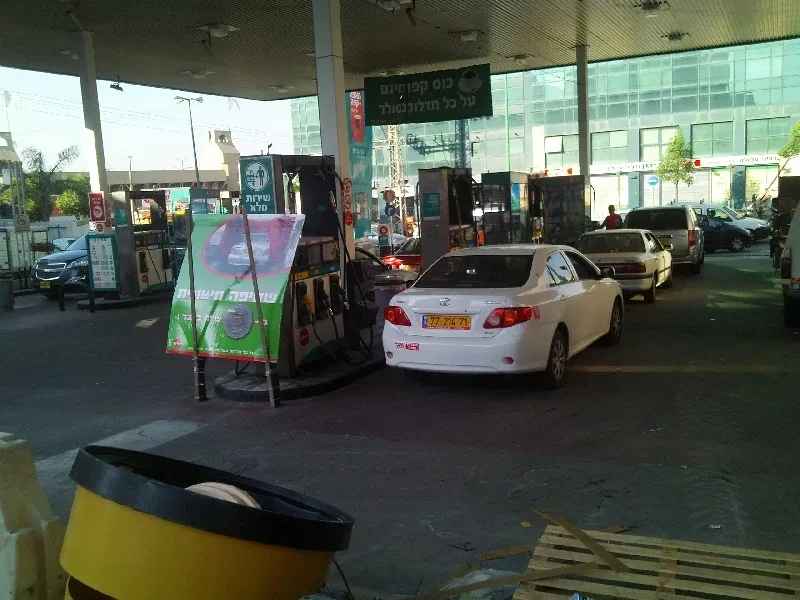
An older station reaches the point where the forecourt has to be opened: a single-wall tank at the end of its life, leaking piping, a demand from the fuel company or the authorities to upgrade to vapor recovery and sealed sumps, or simply a forecourt that has collapsed. The problem is that the station cannot stop selling. That is exactly our specialty: a complete renovation of the fuel infrastructure at an operating station, in phases, without closing it.
We work alongside the major fuel companies and know the specifications and approval processes of each, so the coordination is handled by us and does not fall on the station owner.
Everything under the forecourt, and above it
- Replacing underground tanksRemoving old tanks, installing double-wall tanks, anchoring and containment liners.
- New fuel and vapor pipingDouble-wall piping, connections inside sealed sumps, documented pressure and tightness testing.
- Upgrade to Stage II vapor recoveryVapor recovery piping from the dispensers to the tank, per the requirements of the Ministry of Environmental Protection.
- Sumps and standard spill containmentConcrete sumps and sealed rectangular sumps, 5-gallon spill containment at the fill point.
- Paving, drainage and fuel separatorSealed concrete forecourts with proper slopes, runoff drainage channels and an oil and fuel separator.
- Canopies and service buildingsRenewing the canopy, dispensers, island and service building.
- Cathodic protection and static groundingSystems that extend tank life and prevent sparks during filling.
- Dealing with contaminated soilExcavation, removal to a licensed site and placing clean soil.
Renovation at an operating station, in six stages
- 01Condition survey and phasing plan
Survey of the existing infrastructure, coordination with the fuel company, and a work sequence that keeps dispensers open at every stage.
- 02Fencing and separation
The work zone is fenced and separated from customers and staff. The rest of the station keeps working.
- 03Demolition and removal
Breaking up concrete slabs, removing old tanks, piping and sumps, and controlled disposal of the waste and of contaminated soil if found.
- 04New infrastructure
Double-wall tanks, fuel and vapor piping, sealed sumps, vapor recovery, cathodic protection and static grounding.
- 05Documented testing
Pressure and tightness testing of every piping section and every tank before the forecourt is closed, with documentation handed to the client.
- 06Pouring, equipment and handover
Pouring forecourts, paving, reinstalling the dispensers and equipment, approvals from the authorities and the fuel company, and moving on to the next phase.
Dor Alon, Eilot: a full renovation while the station kept operating
The renovation included breaking up concrete slabs and excavating about two meters deep, removing collapsed sumps above the fuel tanks and building new concrete sumps to the standards of the Ministry of Environmental Protection. The fill piping was replaced, the contaminated soil was removed to a licensed site, clean new soil was placed and a new concrete slab was poured. All of this with strict attention to the safety of customers and staff, while the station kept working.
In progress now: a general renovation of the Gal HaRishonim station in Ashdod, the largest fuel station in Israel, including new vapor recovery piping and rectangular sumps. All projects
Renovations at operating stations
before you start renovation
Does the station close during the renovation?
No. The work is planned in phases: each work zone is fenced, and some of the dispensers keep selling fuel throughout the project. That is the basis of every renovation we do.
What happens if contaminated soil is found under the old tanks?
The contaminated soil is excavated and removed to a licensed site, and clean soil is placed instead. The new infrastructure is then built to the standard, so the problem does not return. That is how we did it at the Dor Alon station in Eilot.
Must an old single-wall tank be replaced?
It depends on the tank's age, its condition and the requirements that apply to the station. In most cases, once the forecourt is already open, it pays to switch to a double-wall tank and close the issue for decades.
Planning a renovation? Let's start with a site visit
Leave your details and we will call you back for a short conversation. If needed, we visit the station before quoting. Or call the office directly: 08-622-9307